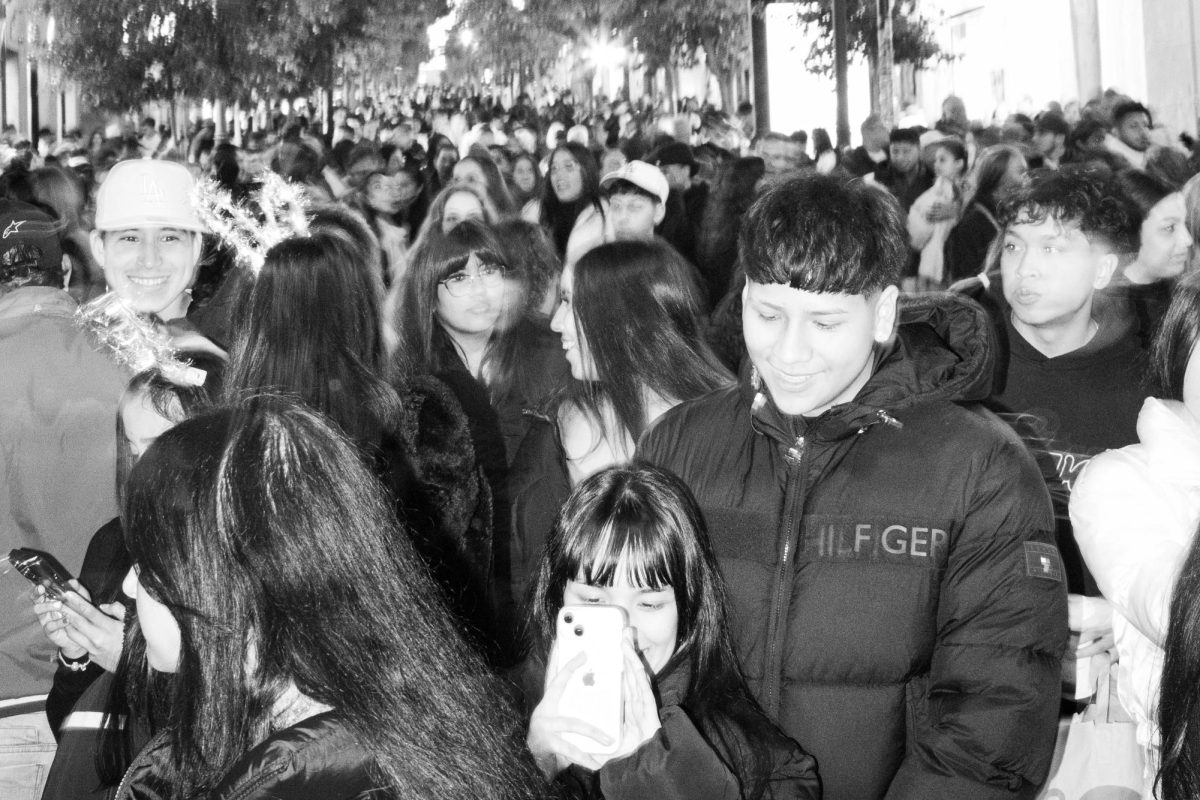

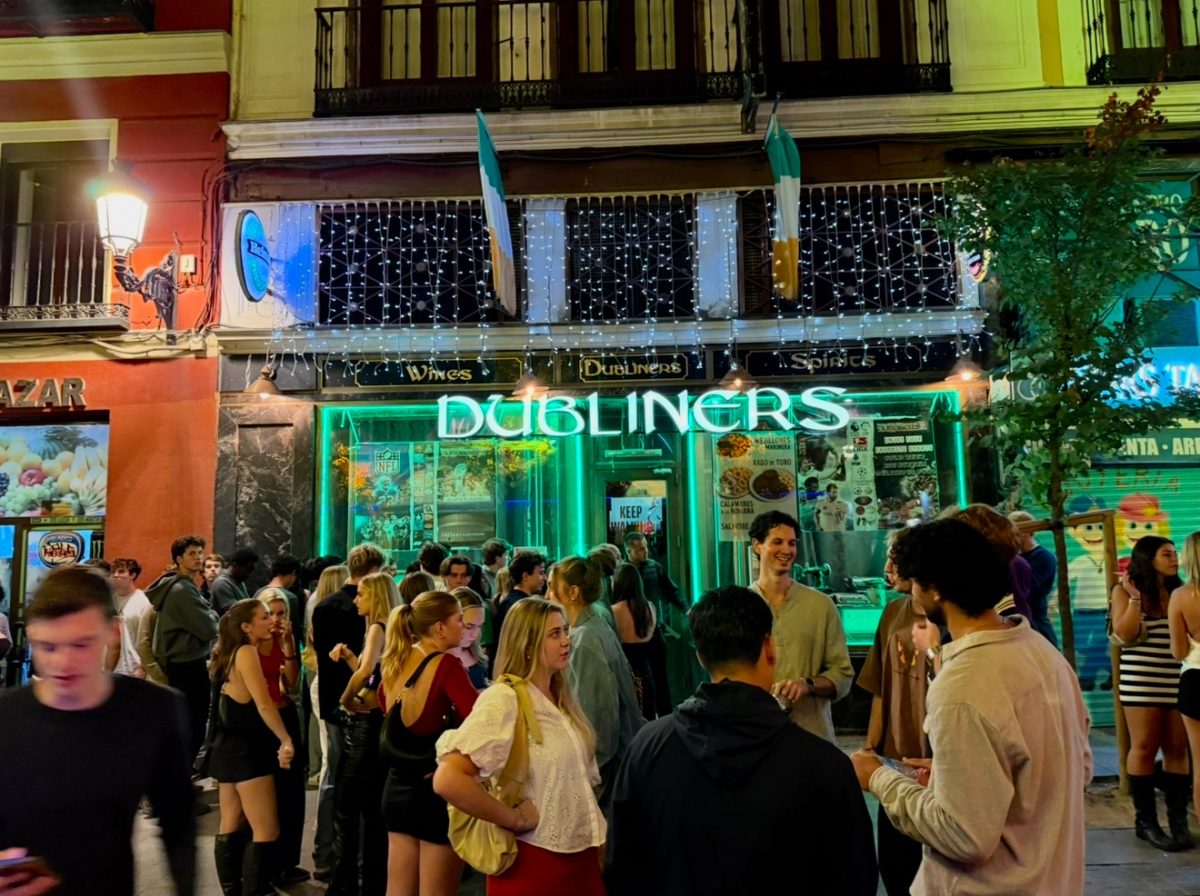

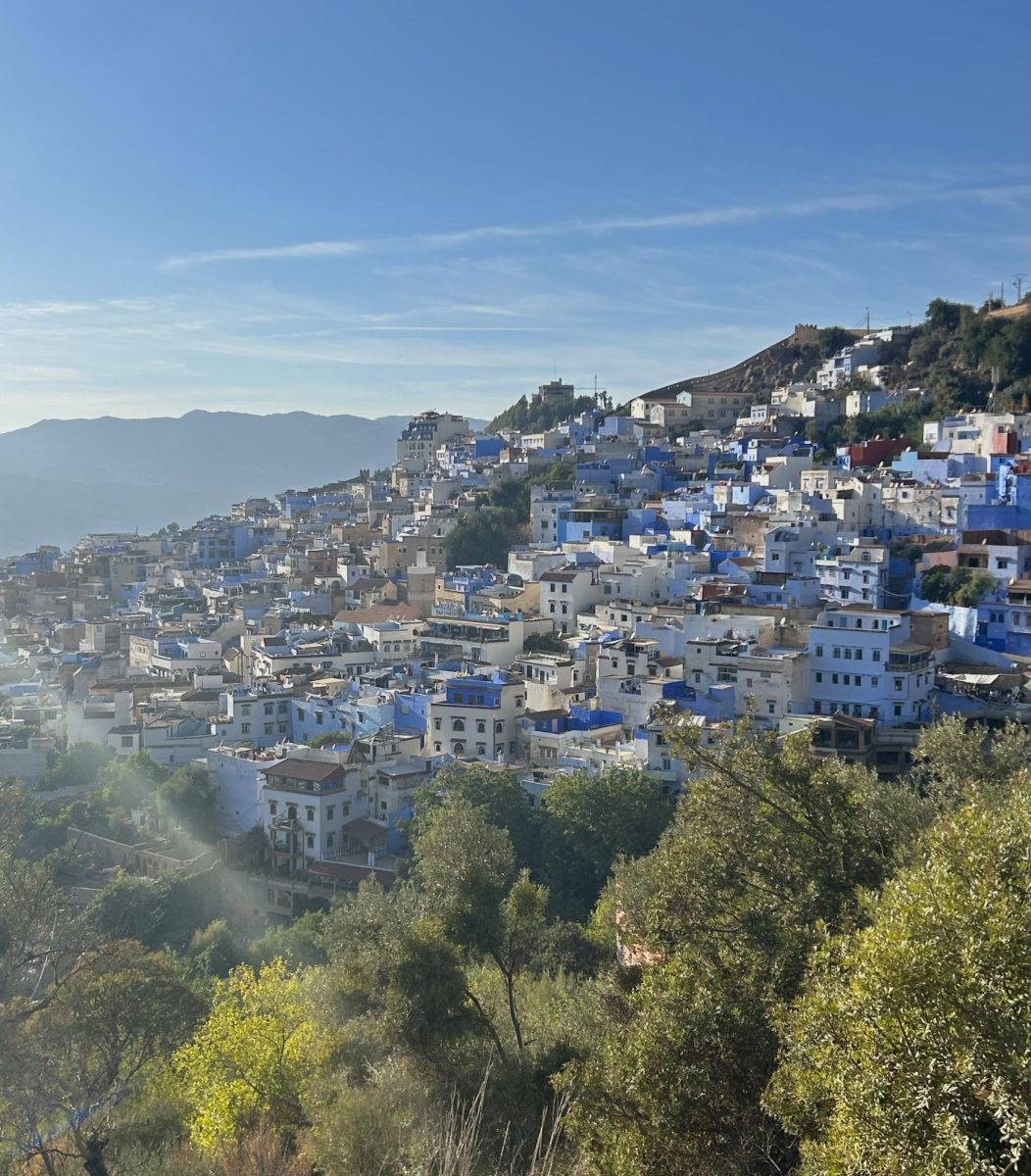




As more visitors fill Madrid’s streets, some locals are divided over how tourism and Airbnb rentals are changing everyday life in the city. Victoria Guerrero, a retiree who has lived in Madrid for 54 years, shook her head left and right with a firm tone as she described the city center. “I am against tourism because it’s a disaster in the city center right now,” she said.
The debate over too many tourists has recently grown as city officials across Europe discuss new rules for short-term rentals. Some say tourism helps the economy, but others say it has made central Madrid crowded and expensive to live in. According to El País, a new national law now “permits the neighbors of a community to veto the installation of a tourist use flat”, requiring the approval of 60% of neighbors, and is expected to have an impact in Madrid. Guerrero added she has seen the effects of tourism grow worse each year.
“I can’t imagine living in one of those blocks; it is a disaster at the moment,” she said.
Others have also noticed how tourism has transformed their neighborhoods, expressing mixed feelings about its impact. According to the Spanish National Institute of Statistics, known as INE, “international tourist arrivals to Spain climbed by 5.7 % in the first quarter of 2025, reaching 17.1 million.”
Susana Elena Benítez, a journalist and communication expert who studied at Universidad Complutense de Madrid, gazed at the busy street in front of Moncloa Station. “Everything has changed. It’s not a neighborhood anymore. It is a tourist zone, it’s like an amusement park. I like tourism, but I don’t like that cities change because of it.”
“The center of Madrid is built for tourists to live and not for neighbors to live in. It’s my opinon because I am a neighbor to the center of Marid,” Benítez said.
When discussing Airbnb rentals, Benítez stressed limits. “There has to be a limit so we can sustain the neighborhood. If you go over it, then the neighborhood gets lost and tourism wins,” she added.
While some residents worry about losing their sense of community, others see the positive side of the city’s growing tourism industry.
Sonia Gómez, 54, who works in hospitality, said she appreciates tourists because “they bring in money.” Although tourism doesn’t reach her neighborhood, she believes it benefits Madrid overall. When asked about Airbnb rentals, she added, “Everyone should do what they want; the competition is big.”
Victor Hugo Gómez, 18, a student who has lived his whole life in Madrid, also views tourism as an advantage. “Yes,” Gómez said when asked if he liked tourism in Madrid. “I think it helps Madrileños because, in the end, the economy is better and it comes from tourism.”
But not everyone agrees. Some residents remain conflicted about how tourism changes their day-to-day life.
Consolación Morales acknowledged the economic value of tourism, but expressed concern about how it’s changing the city. “There are too many Airbnb, way too many,” she said. She explained that tourism should benefit Madrid without displacing residents or affecting local jobs.
Outside the city center, the effects of tourism are different. Marina Rodríguez, 18, a fine arts and fashion design student who lives on the outskirts of Madrid, said tourism hasn’t affected her neighborhood. She acknowledged its economic importance but noted that in places like Majorca, there are “so many tourists that it takes away a little of the traditional life.”
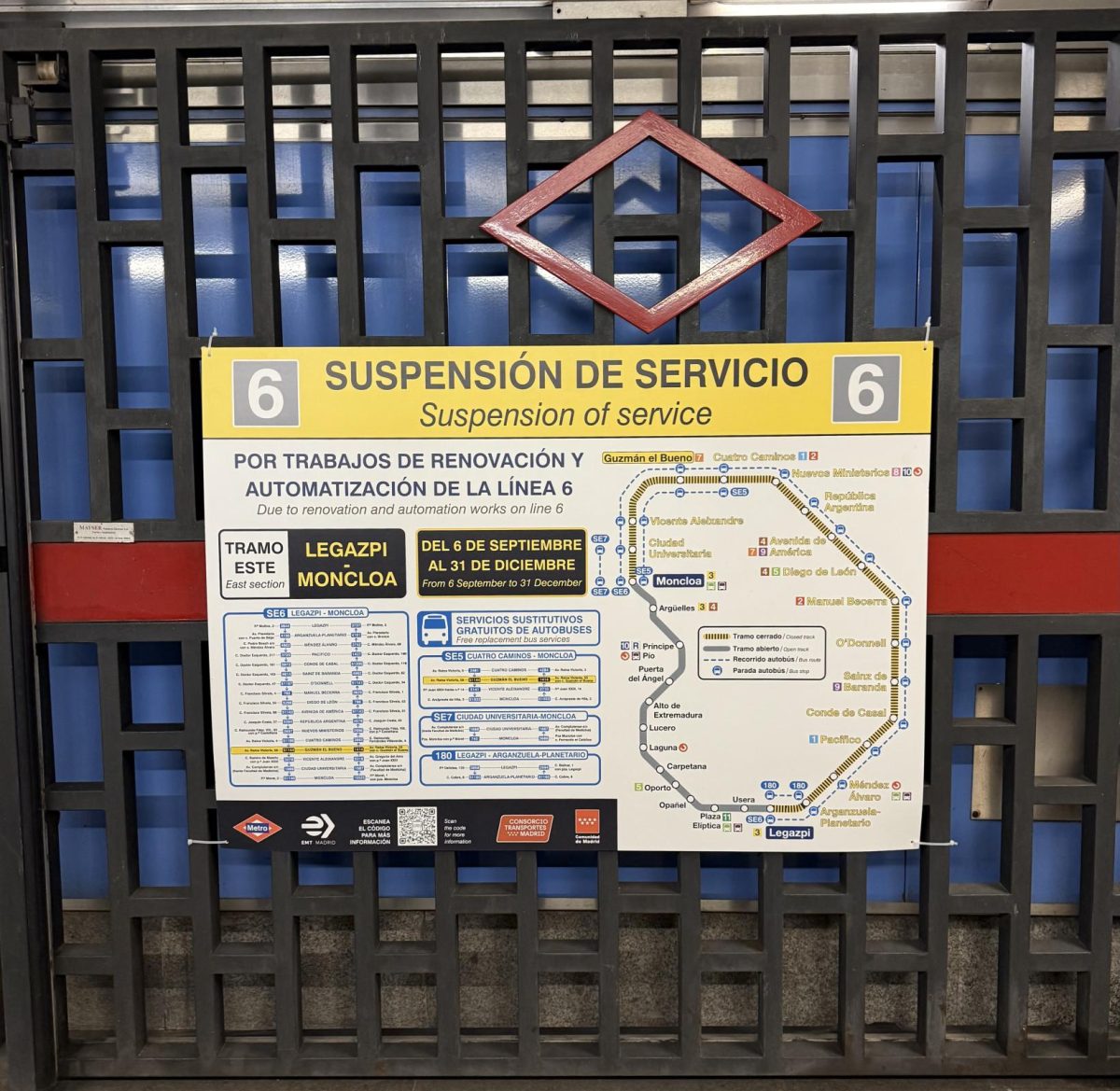
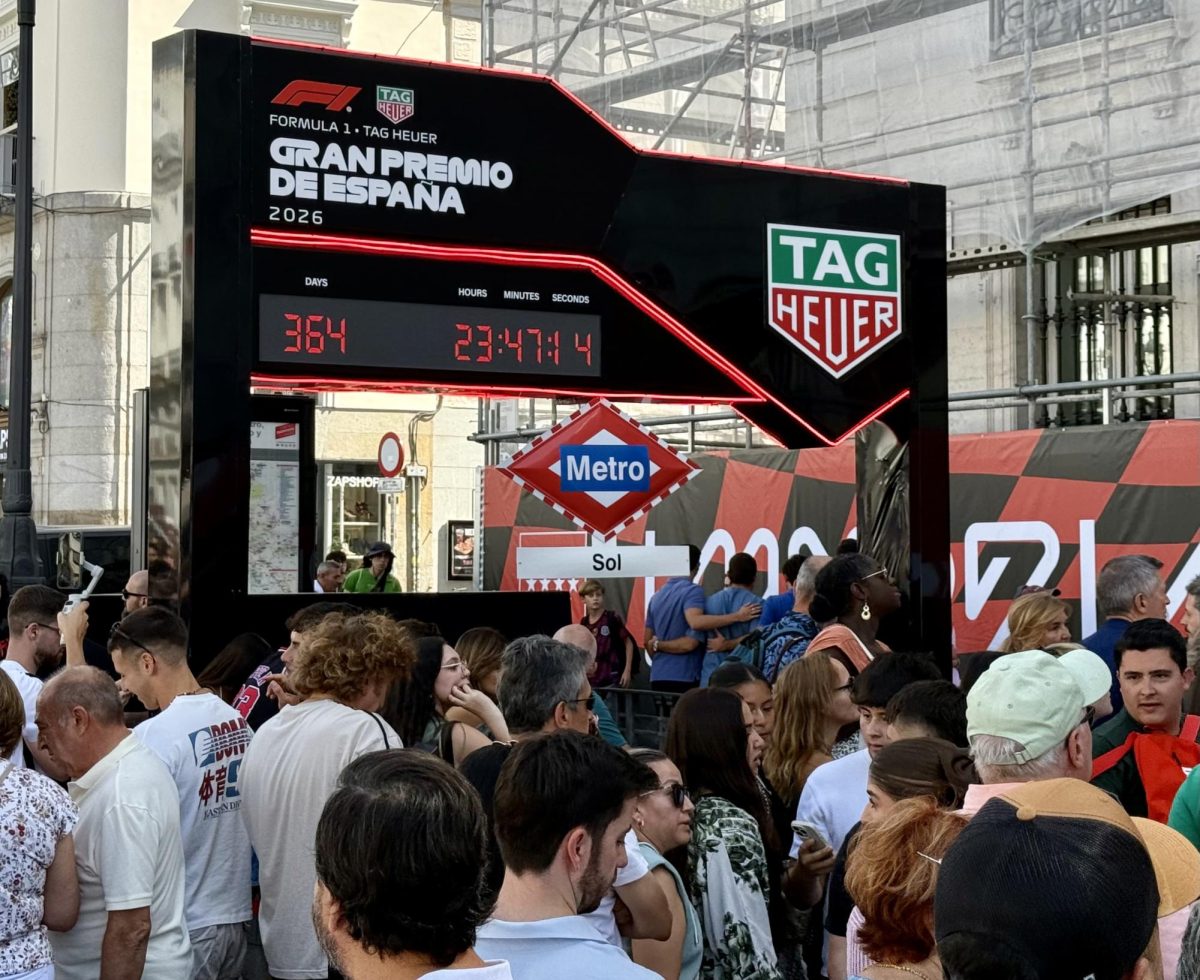
Madrid continues to face the challenge of balancing economic benefits with the preservation of local life. At the Moncloa Metro station, where locals and tourists cross one another every day, the divide is visible. “Tourism helps, but it also hurts,” Benítez said. “For tourism to be a good thing, there has to be balance.”