







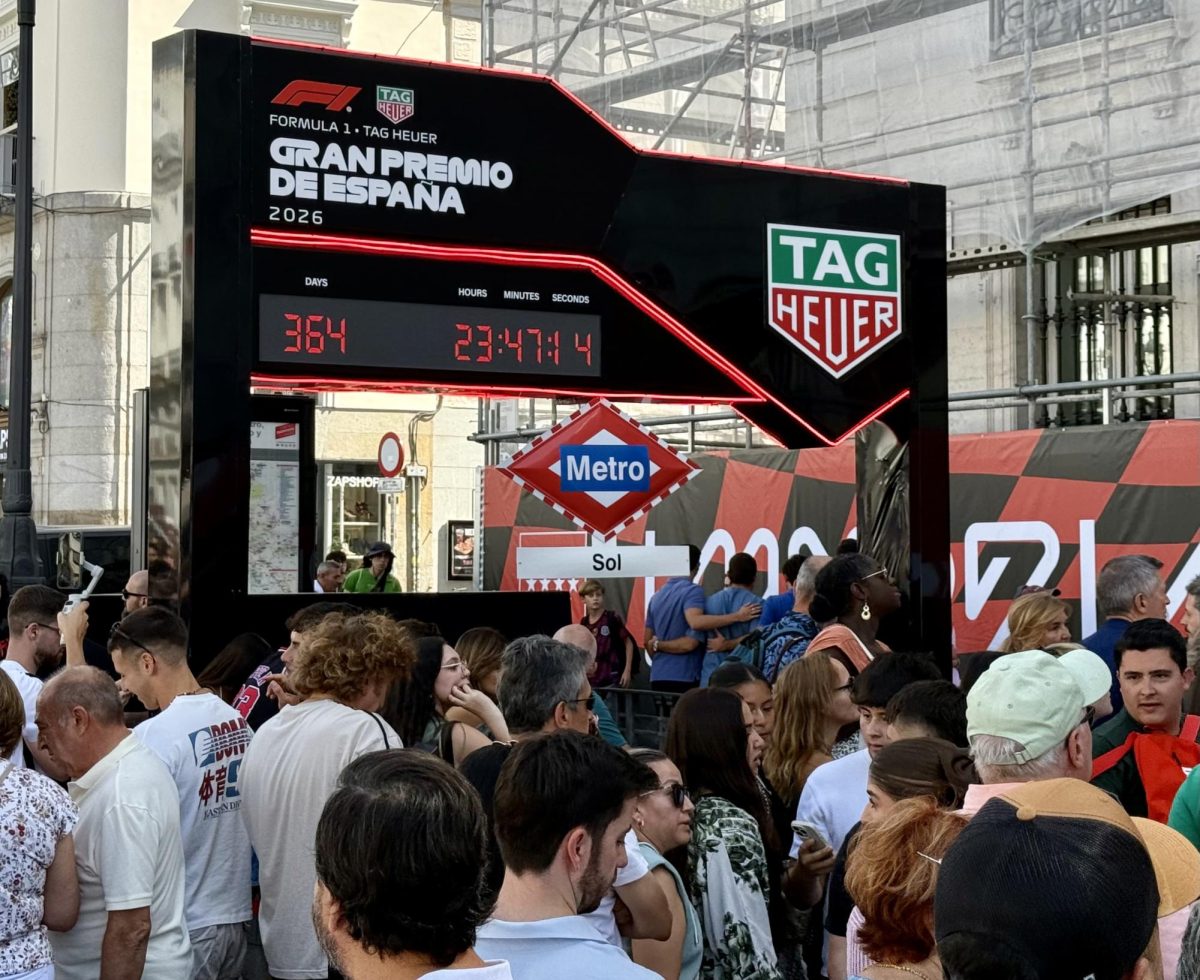







Spanish Formula 1 fans are excitedly anticipating the first Grand Prix in 45 years to be hosted in Madrid.
“This track is going to bring in a lot of opportunities,” John Dawson, a Junior PT student, said. “I’ve been to two other races, Milan and Monaco, and I think the amount of people that travel for these things will help the city a lot.”
The track, named “Madring”, was announced in March of this year. It will be the first track to hold a Formula 1 race for Madrid in 45 years. The last track used in 1981, Circuito del Jarama, can no longer be driven on with the modern build of race cars.
According to the official Formula 1 site, the new track has been specifically designed to safely accommodate the larger model. The track is set to be completed by May of this coming year.
“I’m a little nervous to see what it’s gonna do to the city. So many people are already coming here, this will just increase numbers significantly,” Santosh Hanumanthiah, a current resident, said. “I’m sure it will help businesses too, or at least give them an extra boost a couple times a year.”
The track will be constructed using newly laid pavement, as well as already existing public roads. According to the official Madring website, the new track is projected to generate about 450 million dollars in revenue for the city, as well as more than 8,200 jobs for the community. They have also projected an increase of 85,000 tourists in Madrid per year just for the race weekend.
“I’m really excited, my father is a big fan of the sport. I’ll probably go with him when it comes, I’ve never been to one before,” Monica Garcia, who could not afford to travel for previous races, said. “It’ll be special because I share that passion with him.”
Monica also shared that her father has been to many races, and has asked her to attend them before. This location will create easier access to a race for those not able to go outside of Madrid for it.
Some citizens, despite the presented improvements for the city, worry that the construction of the site could cause more damage than good. The construction will require the removal of 4.1 km of natural objects, such as trees and other plants, and could be bothersome to residents near the location.
“I feel like the races already make so much money where they are now, it’s kind of unnecessary for them to make another track,” Eli Kane, a SLU transfer student, said. “There’s also so much land that needs to be cleared, like I said it’s a rich man’s sport.”
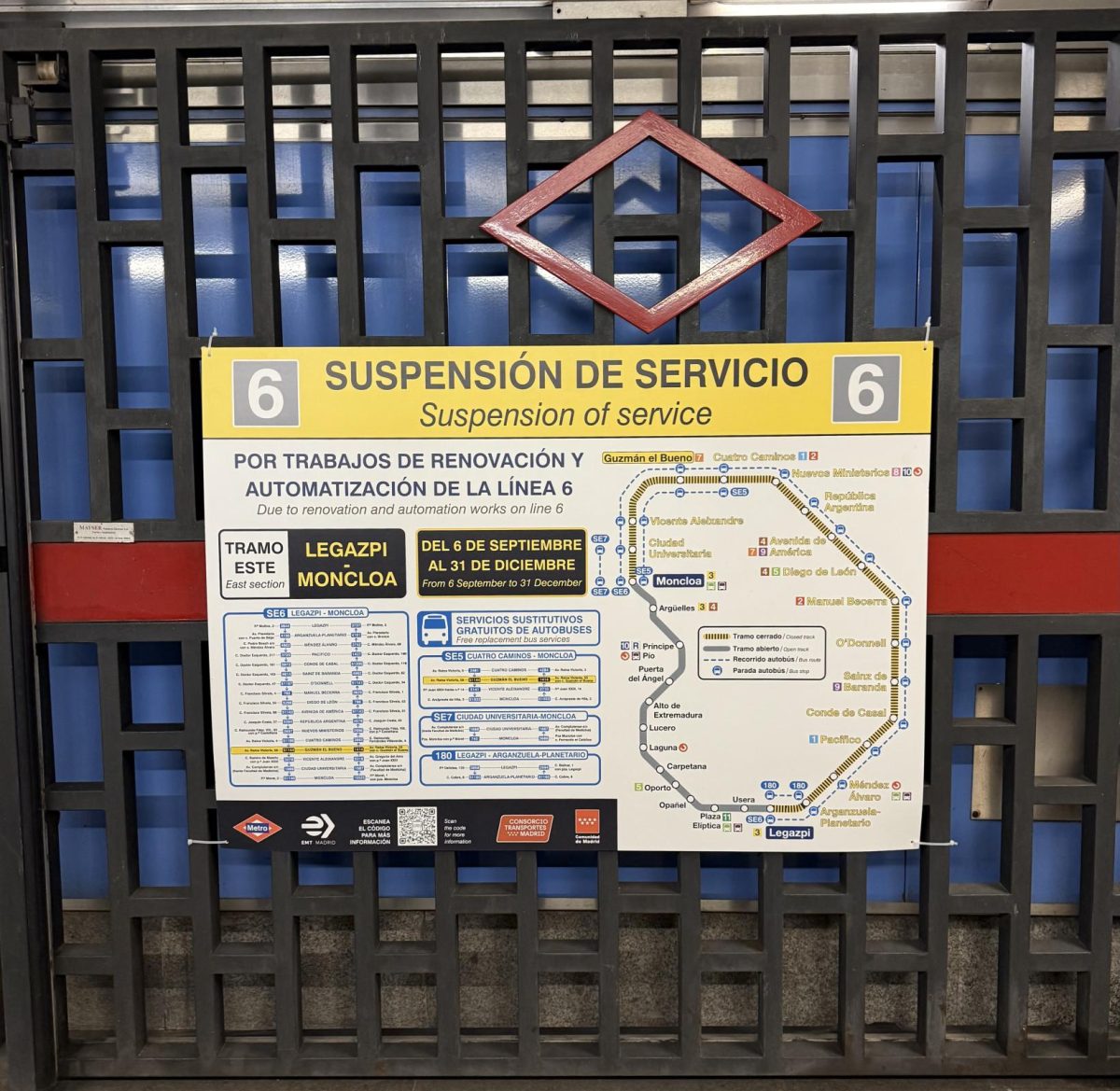
The machinery necessary for these high-speed vehicles also produces noise, posing possible disturbance in the area. There is also worry about the transportation systems being bogged down by an influx of tourists for the weekend being a short amount of time.
“Madrid has a good public transportation system, but I don’t think it’s solid enough to handle the huge numbers who will be here to watch the F1,” Oumayma Keskes, an avid Ferrari
fan, said. “It could be an inconvenience with all places packed, the noise and disruptions too, and probably a lot of traffic.”
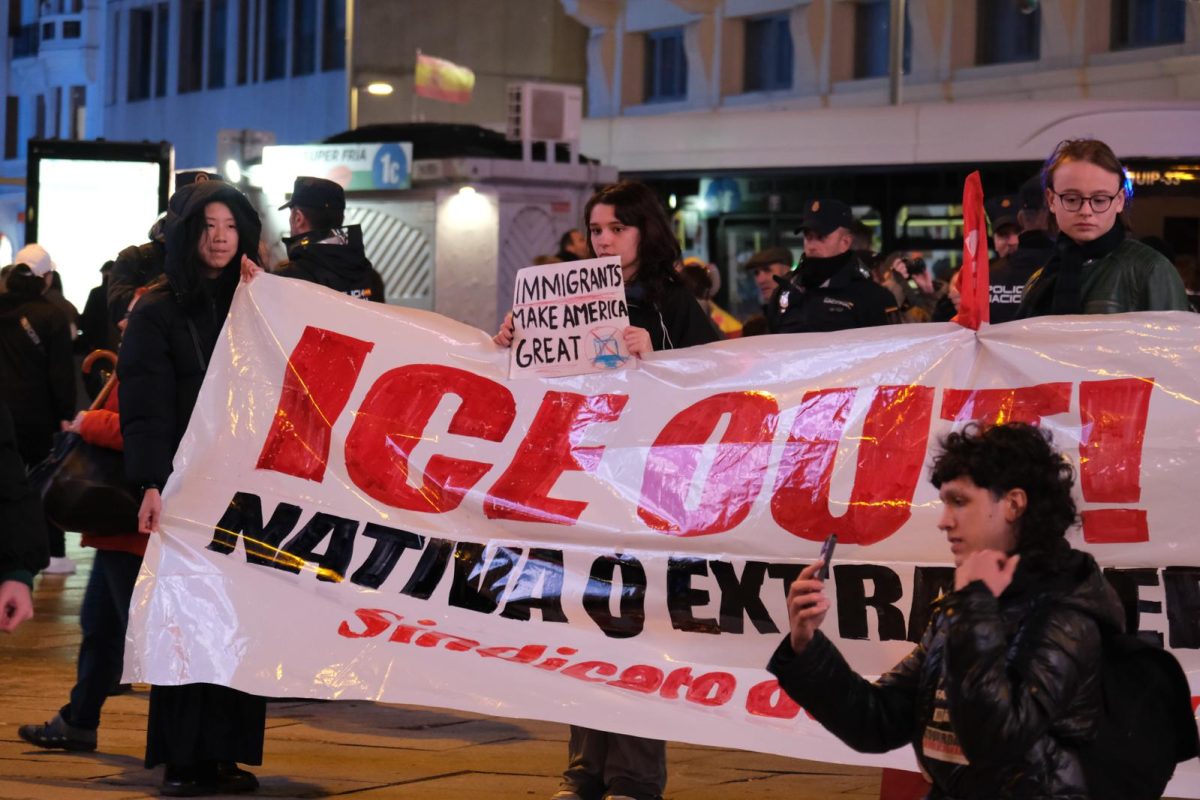
Protests for the development of the track have already started, some of which took place during a promotional event for the race in Puerta del Sol. According to Motorsport Week, the protesters have created a group named ‘Stop Formula 1 Madrid’. The group is using the slogan “Our neighborhood is not a racetrack”.
Some fans say these “small” changes are worth it. “This will just be another big, one-day event that helps the city see more income,” Dawson said. I think there will be a huge economic impact.”