

















On the train ride into Madrid, just before the skyline appears, the concrete barriers lining the M-50 highway erupt into layers of color. Names, throw-ups, icons, and half faded outlines from decades of competing crews such as NTR, FM2, ACID and TOC. For many Madrileños, the sight barely registers, for others, it’s a reminder of how deeply graffiti is woven into the city’s identity.
For Jon Broun, a 37-year-old originally from the city, that entrance into Madrid is etched into childhood memory.
“When I was a kid, we didn’t have mobile phones or much internet,” he remembers. “So those few minutes driving into the city were everything, a chance to take in as much as possible. Madrid felt wild, full of graffiti. It still does.” Though he now considers most graffiti “vandalism,” Broun finds himself drawn to the coded visual language. “Very few pieces are ‘art,’ but graffiti has its own meaning. People outside the culture just don’t understand it.”
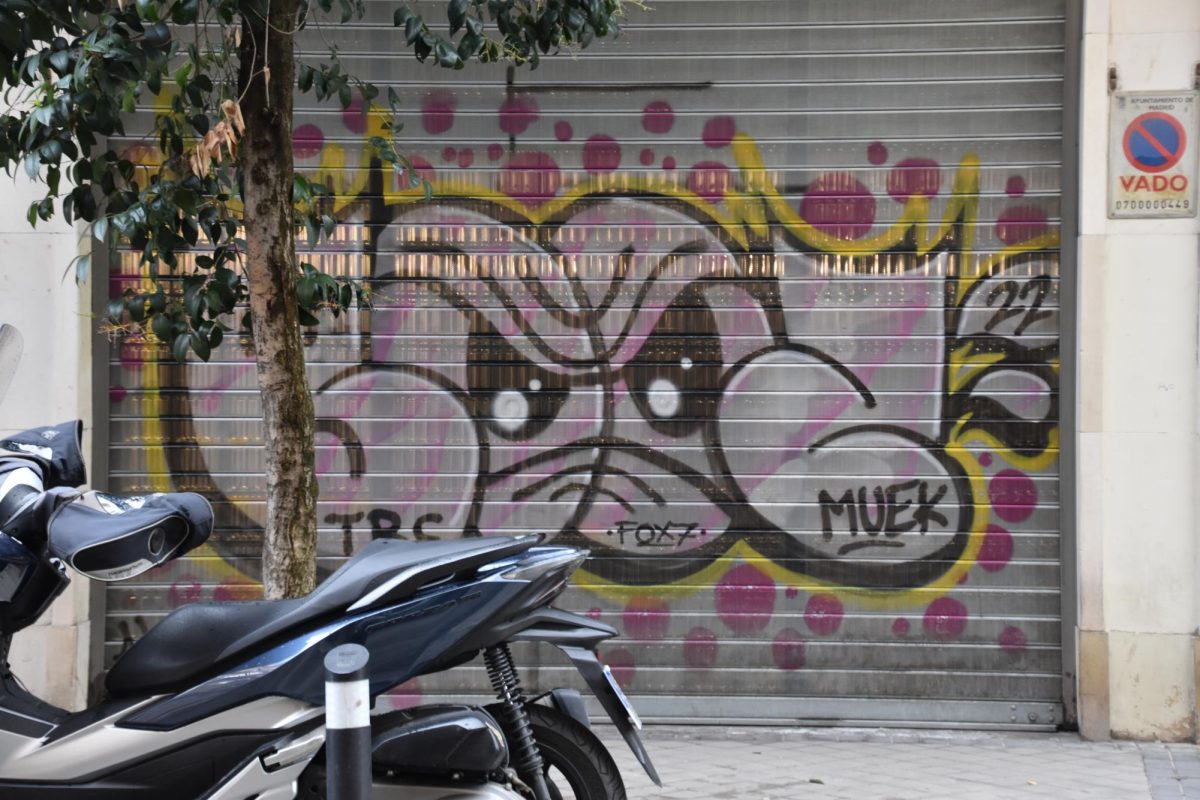
Madrid’s relationship with graffiti may be one of the most complex in Europe. To outsiders, the city can seem split in two: polished, mural filled central neighborhoods where street art is celebrated, and outer districts where tagging dominates and is often condemned as a form of urban decay.
Weavenews’ Nikita Krakhofer interviews local graffiti writer SODA on Madrid’s graffiti history. Graffiti took hold in Madrid in the 1980s “during ‘La Movida Española’, a countercultural movement that took place during the Spanish transition to democracy after the death of dictator Francisco Franco.” SODA said.
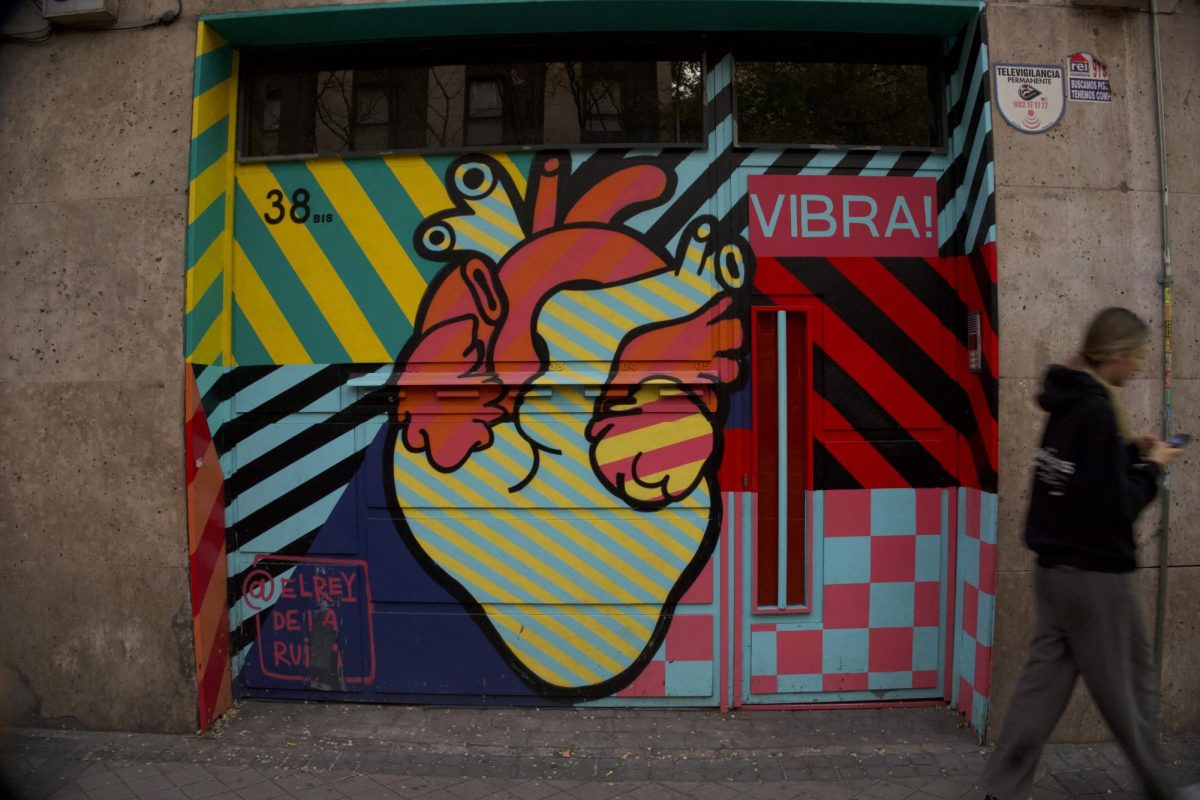
To soften the tension, the city distinguishes between illegal graffiti and “arte urbano,” sanctioned murals often created through festivals or municipal programs. In practice, Madrileños describe these as two different worlds. “If you ask for permission, it’s urban art, not graffiti,” Broun said. “By definition.”
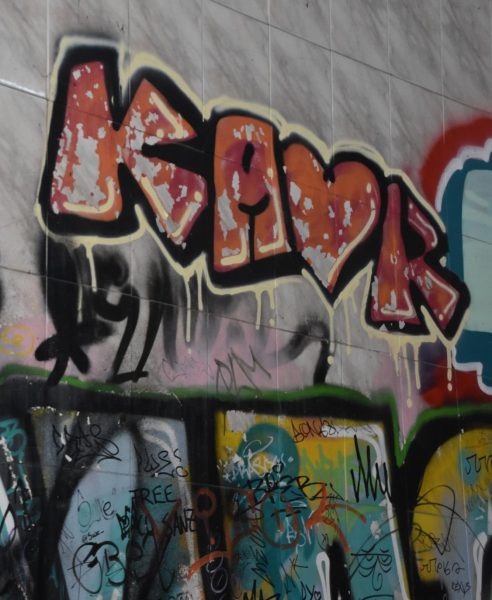
Nowhere is the contrast sharper than between neighborhoods like Malasaña or Lavapiés, now known for their colorful murals, and outer barrios such as Carabanchel, Villaverde, or Vallecas, where tagging and political messages remain common.
Michelle Orta, a 30-year-old teacher from Los Angeles living in Madrid, sees this divide clearly.
“In the center, the murals are lively and inviting. Community-oriented. Even trendy,” Orta said. “But in Carabanchel or Villaverde you see more graffiti and tagging. People say it destroys the neighborhood or lowers its value. It becomes a debate about tourism and capitalist gain.”
Orta’s observation echoes larger concerns about gentrification. Festivals like Pinta Malasaña and CALLE Lavapiés draw thousands each year to watch artists transform storefronts into temporary canvases. While many residents love the spectacle, others see it as a sign of their neighborhood’s “taming.”
For Isabel Albertos, a graphic designer living in Lavapiés, the relationship between street art and community is more nuanced.
“In my neighborhood, it’s both art and vandalism,” Albertos said. “There are tags everywhere, political messages, but also tons of murals through yearly initiatives. I’m not sure if that counts as graffiti or something else.”
Albertos view reflects the experience of many Madrileños, who distinguish not just between legal and illegal, but also between meaningful and empty marks. “When I was younger, I liked all kinds of graffiti. But as I got older, the tags stopped feeling cool,” she said. “The city belongs to everyone. Tagging can feel a bit selfish, more about ego than expression.”
Isabel Albertos still finds inspiration in certain works. She fondly remembers murals in Tabacalera, an old tobacco factory that long served as Madrid’s graffitied epicenter.
“There was a mural by gviiie that I loved,” she said. “And works by e1000 around the city. But when Tabacalera got renovated, they erased many of the murals.” Albertos’ experiences abroad shape her views. In Berlin, she admired Vhils’ large-scale portraits, though she disliked that they were commissioned by Levi’s. “It made me think about how sad it is that art is so tied to commerce. Even street art.”
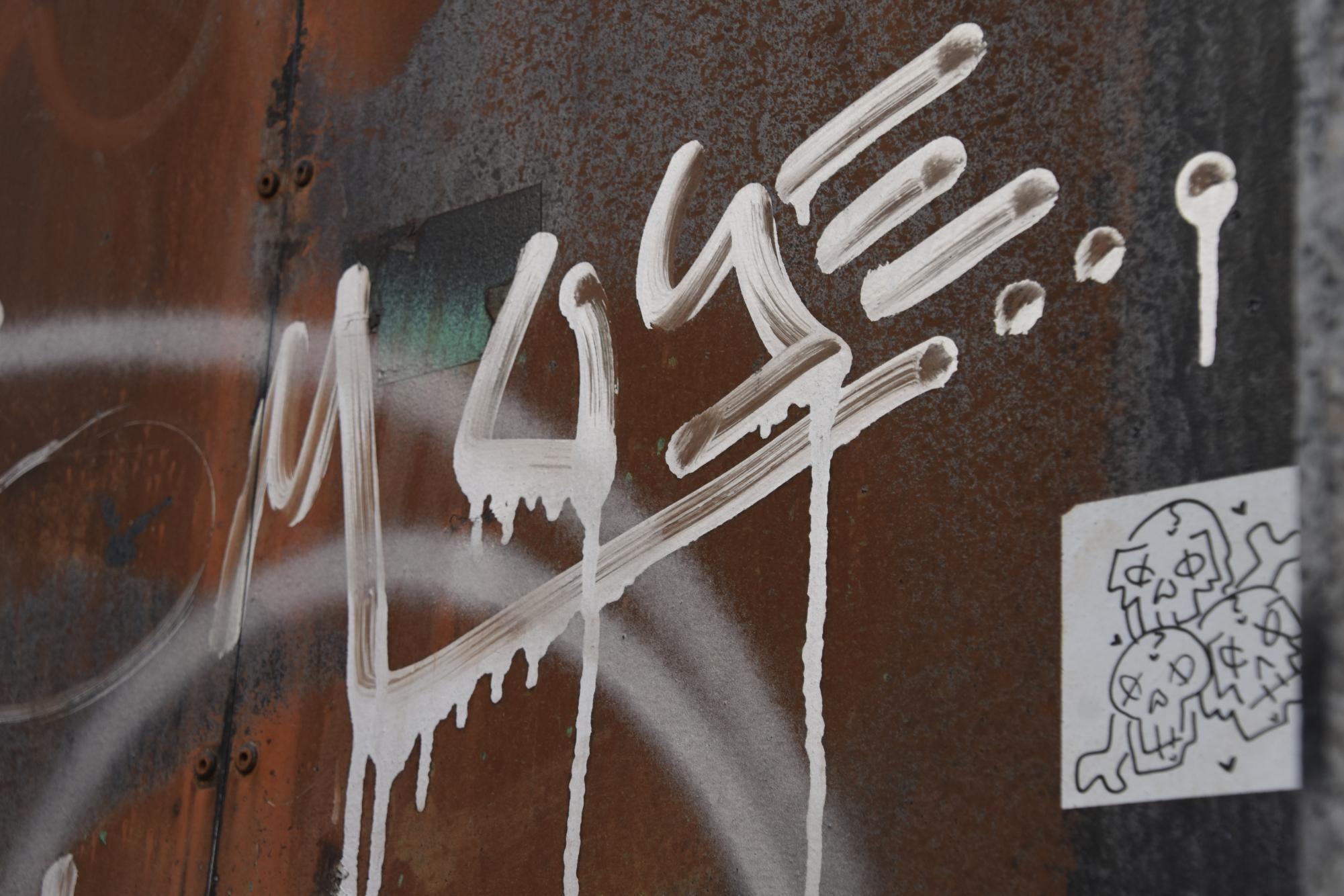
Albertos isn’t alone in questioning the commercialization of Madrid’s walls. Ana Rodriguez, a 32-year-old barista in Lavapiés, sees the value of graffiti precisely in its resistance to polish.
“I think graffiti should bother people a little,” she said. “It breaks the designer aesthetic that’s taking over the city. Without it, everything feels standardized, the same cafés, the same bars. Graffiti keeps the neighborhood real.”
While street art draws crowds, not everyone welcomes the attention. Samir Haddad, a shop owner in Lavapiés, describes how murals have boosted foot traffic but also complicated the area’s identity. “People come to take photos in front of the murals, it’s good for business,” he admits. “But some works feel like they’re made for tourism, not for us who live here.”
Still, he sees value in graffiti as a form of multicultural expression. “There’s a mural of migrant hands forming a circle that means a lot to me,” Haddad said. “Our walls speak many languages, just like the neighborhood.”
What makes Madrid unique is the way graffiti becomes a conversation between its people and its changing identity. “Since Banksy, street art has gone mainstream,” Albertos said. “Artists like Okuda are fully commercial. Galleries now represent street artists. Madrid is catching up.”
But others believe the acceptance is selective. “Legal murals are like Starbucks,” Broun said. “They’re everywhere now, and they all look similar. It’s hard to find something authentic.”
Meanwhile, the graffiti itself has evolved. Styles arrive from Instagram and spread across neighborhoods in waves. “We go through epic periods of trends,” Broun said. “Before, each city had its own style, something isolated and recognizable. Not anymore.”
For some, this digital influence cheapens the art. For others, it connects Madrid to a global creative network. When asked whether certain types of graffiti should be removed such as tags, political messages, and even murals, residents’ answers vary widely.
Javier Martin states that “Tags take away and murals add.”
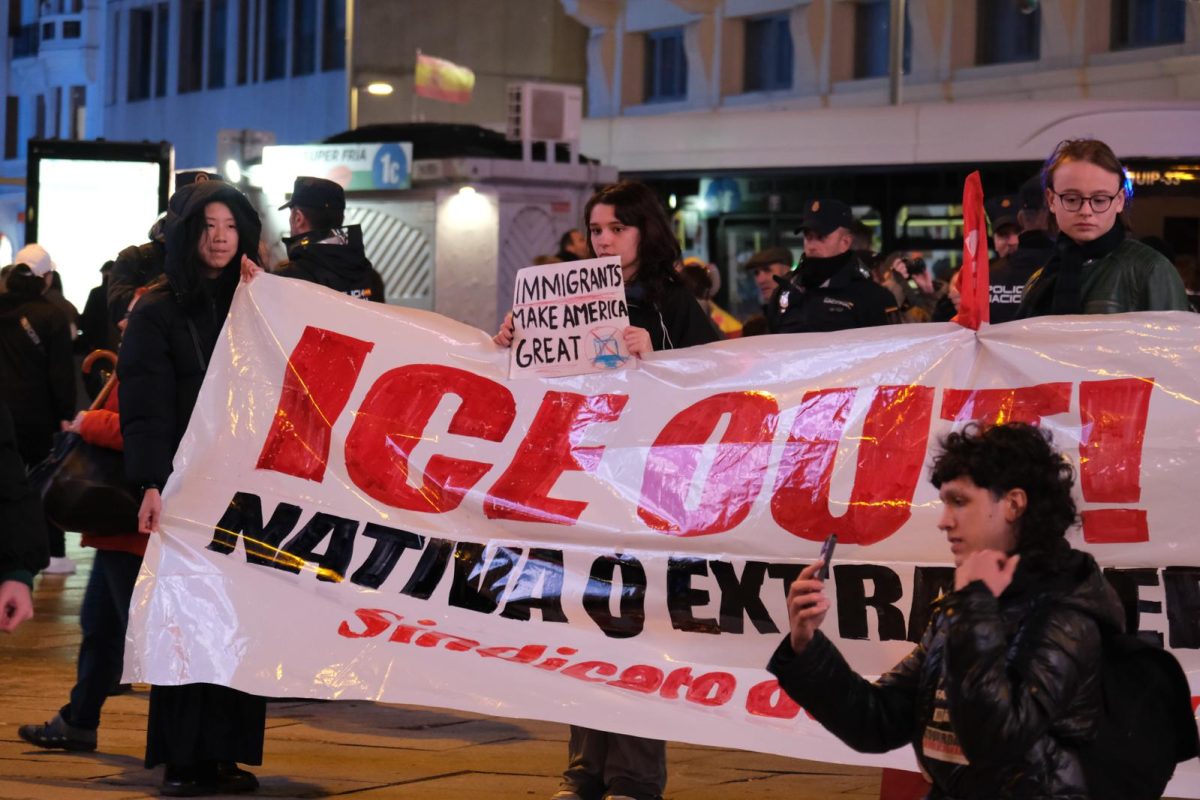
Albertos would welcome fewer tags and Rodriguez wants graffiti to remain unpredictable. Orta said she cannot draw a line at all. “Art is supposed to make us uncomfortable,” she said. “To reflect, to enjoy, to see new perspectives. If we remove everything that challenges us, what’s left?”
Even those who criticize graffiti still see it as part of Madrid’s story. If Broun could preserve one piece permanently, he said it wouldn’t be a mural, it would be the aging, ugly walls along the highway, covered in decades of tags. “It’s a record of the years,” Broun said. “Of who came and went, who quit, who’s still here.”