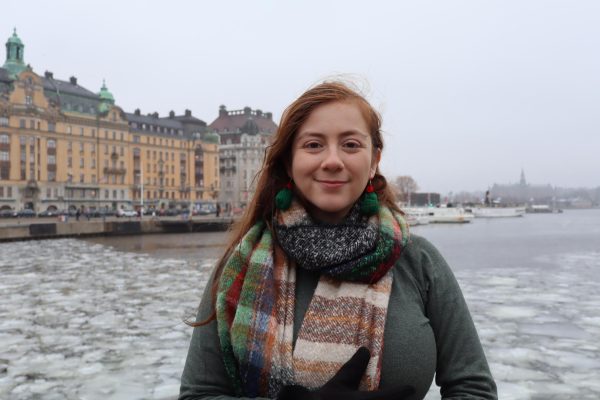



















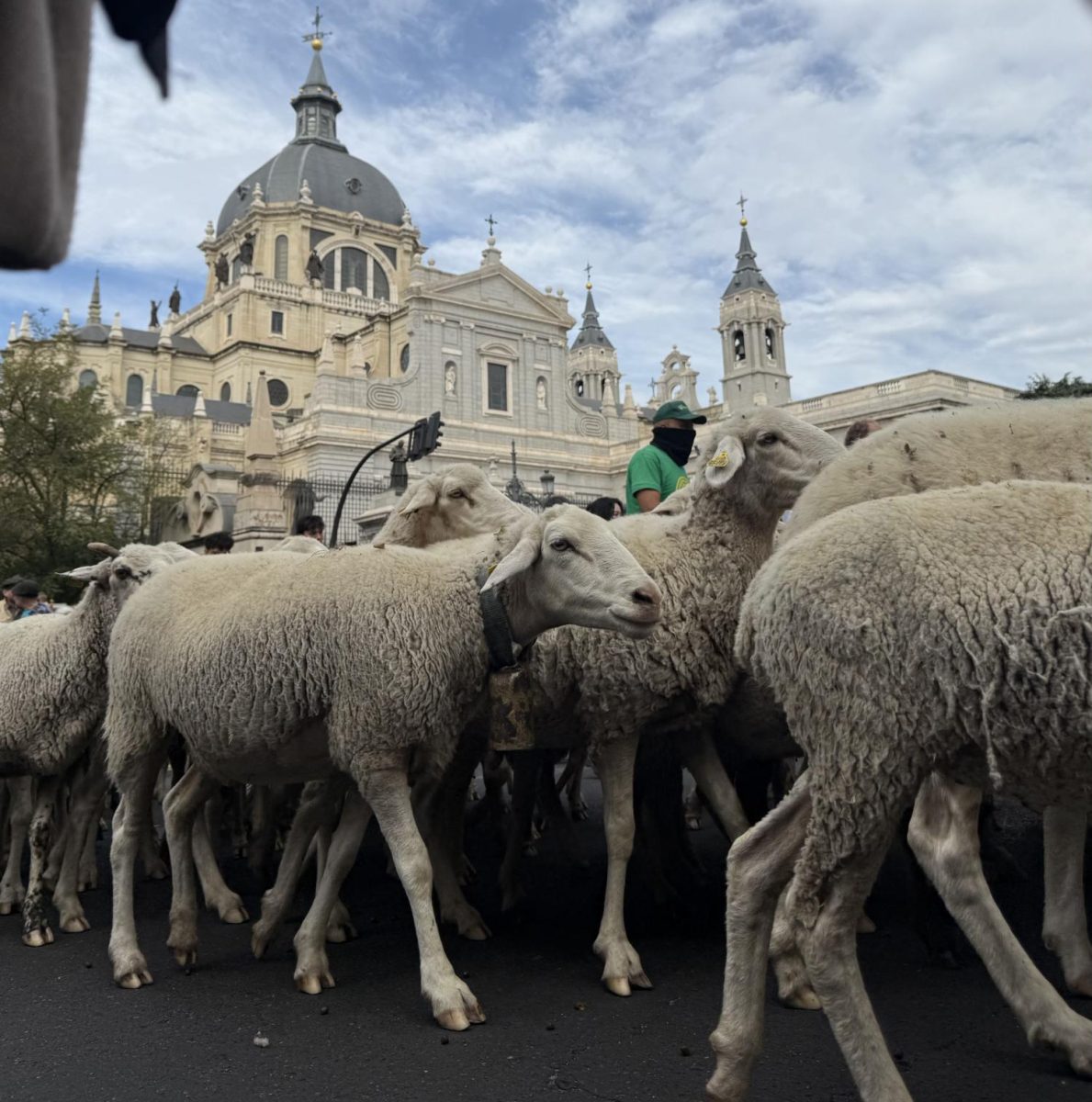
Most students enjoy their yearly trip to the sheep parade, where hundreds, if not thousands of sheep and goats ramble through Downtown Sol, as they make their way through their migratory route towards the south. Rather than being an on-looker, Isabel Sillers, a second year SLU-Madrid student, decided to approach this year with a more hands-on role, becoming a volunteer shepherd for four days.
Flashback to spring semester of 2025, Professor Monica Perez Bedmar from the Environmental Studies Department invited a speaker, by the name of Juan García, who mentioned doing the Trashumancia. Among those who attended was Sillers, who was interested, saying “I’m someone who is always looking for fun things to do, and I love being outside in nature,” said Sillers. “I thought it would be a good way to learn Madrid culture, and Madrid history.” After some messages back and forth between Sillers and García, he set her up with Fundación pastores sin fronteras (Shepherds Without Borders), enlisting her in their cause. Their mission: bring back Trashumancia without the restraints of urban expansion.
Founded by Jesus “Suzo” Garzón, an environmental activist turned shepherd in the 90s, he wanted to revive Trashumancia, due to its dying practice. Before the foundation, shepherds had to rely on the ownership of two lands, one in the highlands or north, and another in the lowlands or south. However, the amount of work it takes to take care of livestock is not profitable. Unless that shepherd was rich, renting property or not herding the animals are the only other feasible options. He started the tradition of walking through the city of Madrid, as a method of protest and awareness, and other shepherds joined him in the years that followed. Now the migration which goes through the center of Madrid carries a more symbolic weight, because the passage itself is not mandatory to go through, as it was in previous years.
Coming back to October 19th, more than 1300 livestock rolled through the Spanish capital, where the sheep packed six wide, hundreds long, and pushed their way through thousands of onlookers to Plaza de Cibeles. The farmers had paid their 50 maravedis earlier that day for the sheep to enter, a tradition where they need to pay to cross other people’s lands. Sillers says Majadahonda, a 30 kilometer trek to Plaza de Cibeles, is filled with challenges yet it is an integral part of a shepherds’ year. “It’s a form of migration, and this has been happening for generations,” she says. As the plains became settled with villages, “it became a lot more difficult for shepherds to pass their sheep from one place to another, and so [King Alfonso X] established these roads, these path ways called vías pecuarias.” These passages are grass or gravel roads specifically for sheep and other livestock.
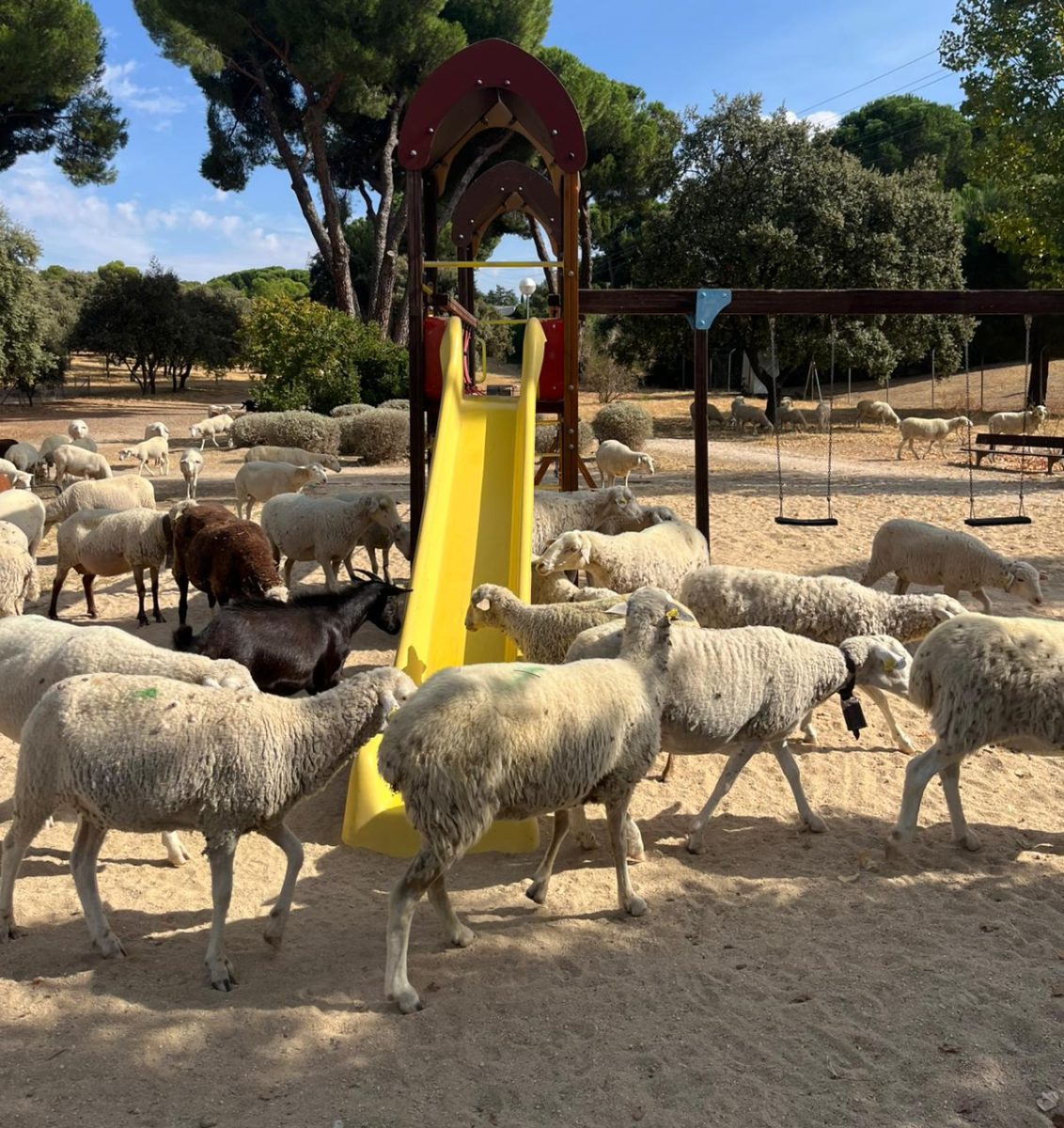
Sillers only expected her walk to cover the Madrid area, but it ended up extending beyond the main recognizable city and suburban areas. She describes the drove-roads as, “kind of ignored,” with buildings and public infrastructure occasionally blocking the path. These obstacles would often confuse the flock, leading a couple of animals astray. Additionally, she witnessed people driving their cars on the same roads, which causes concern for the well-being of both the people and animals alike. According to Ley 3/1995, walking, cycling, horseback riding, or other non-motorized methods of transport are allowed. Most importantly the construction of freshly paved roads for vehicles overlaps with the migration route. There was an initiative that resulted in bridges being built for the sheep. One of the bridges Sillers and her group crossed was considered too small, putting the herd in distress and limiting everyone’s mobility.
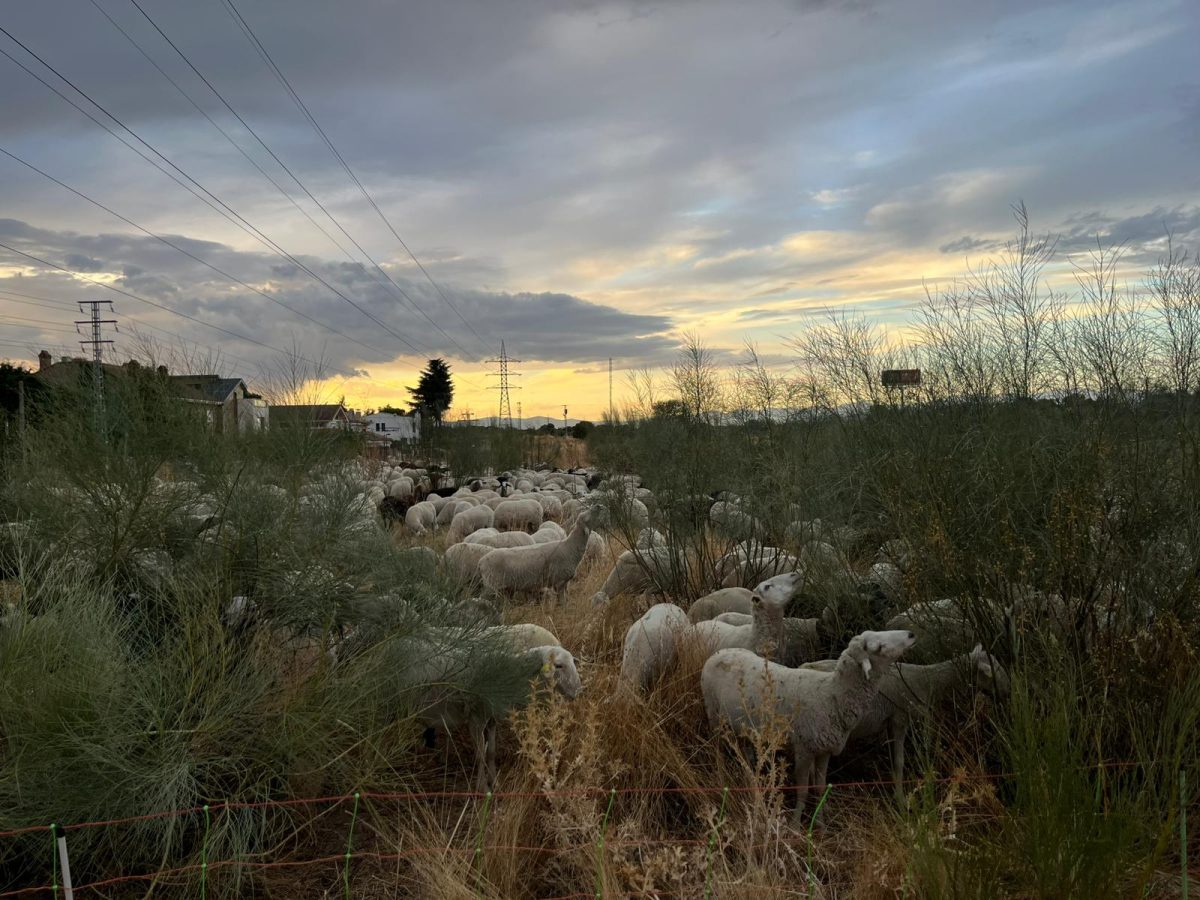
With the passing of Garzón in 2023, the foundation is rebuilding, focused on attracting more volunteers to partake in the sheep walk. This year, the herd that came to downtown Madrid is a flock that was rented by the foundation from an Ávila ranch family, who had no resources nor man-power to move their animals southward. So the family benefited from the extra support, allowing the herd to partake in what is both an ecologically critical process for the environment, as well as maintaining the celebratory tradition. The flock headed to Aranjuez, where they will stay for the winter, according to news agency Heraldo de Leon.